 Myopia surgery
 Myopia prevention and control
 Presbyopia
 Cataract
 Dry eye
 400-8600-525
 CN
 One City, Three Campuses

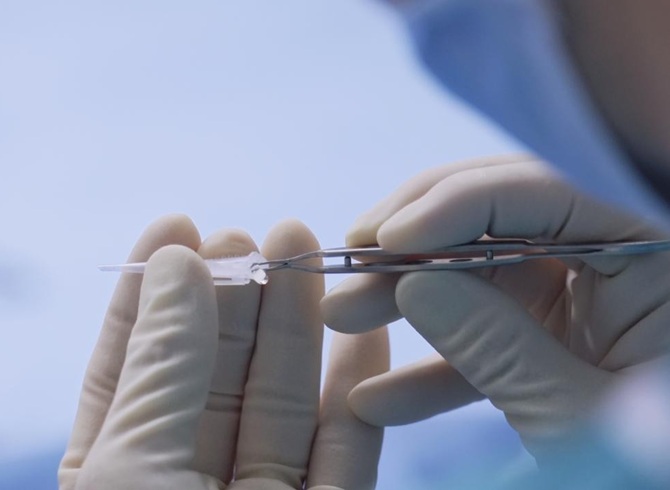
Phacoemulsification is currently the most conventional surgical method. It uses ultrasound to crush the cloudy lens nucleus into chylous shape, and then aspirates it through a small incision, and then implants intraocular lens to restore the vision of the patient.
In phacoemulsification surgery, doctors will make a 2-3 mm incision with a scalpel. Patients' vision recovery is usually relatively fast. Phacoemulsification surgery has mature technology, high safety, and few complications. It is applicable to most cataract patients, especially those with other eye diseases.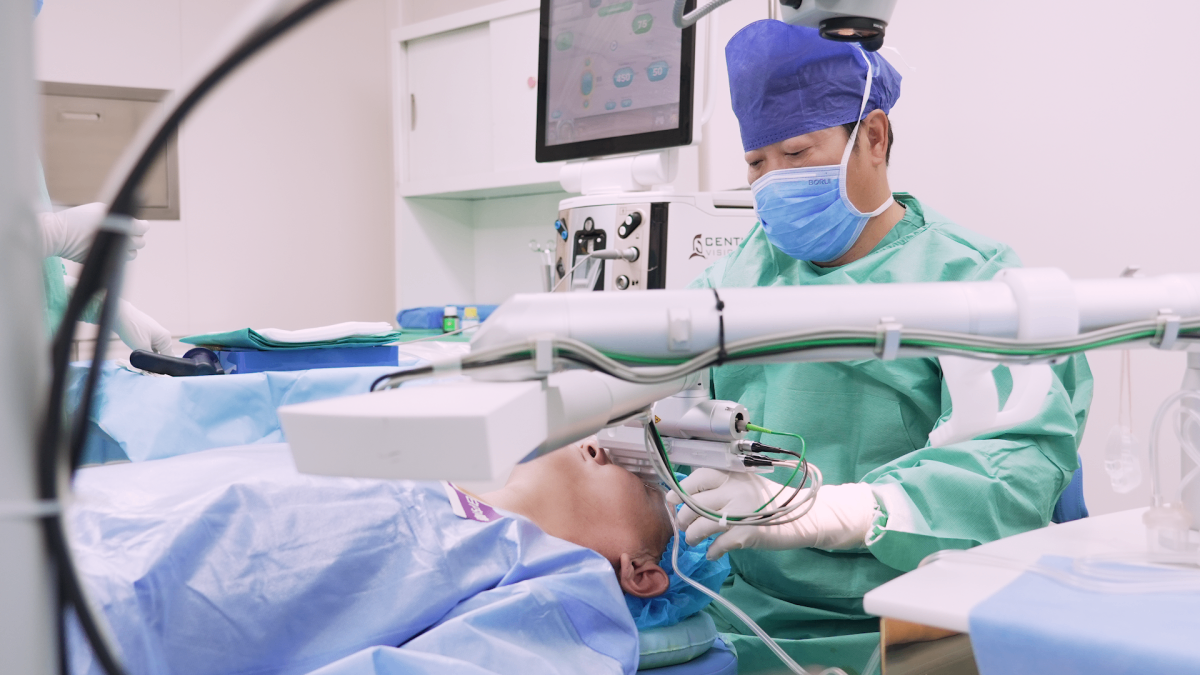
1、 Advantages of Ming Vision & Ophthalmology crystal center equipment
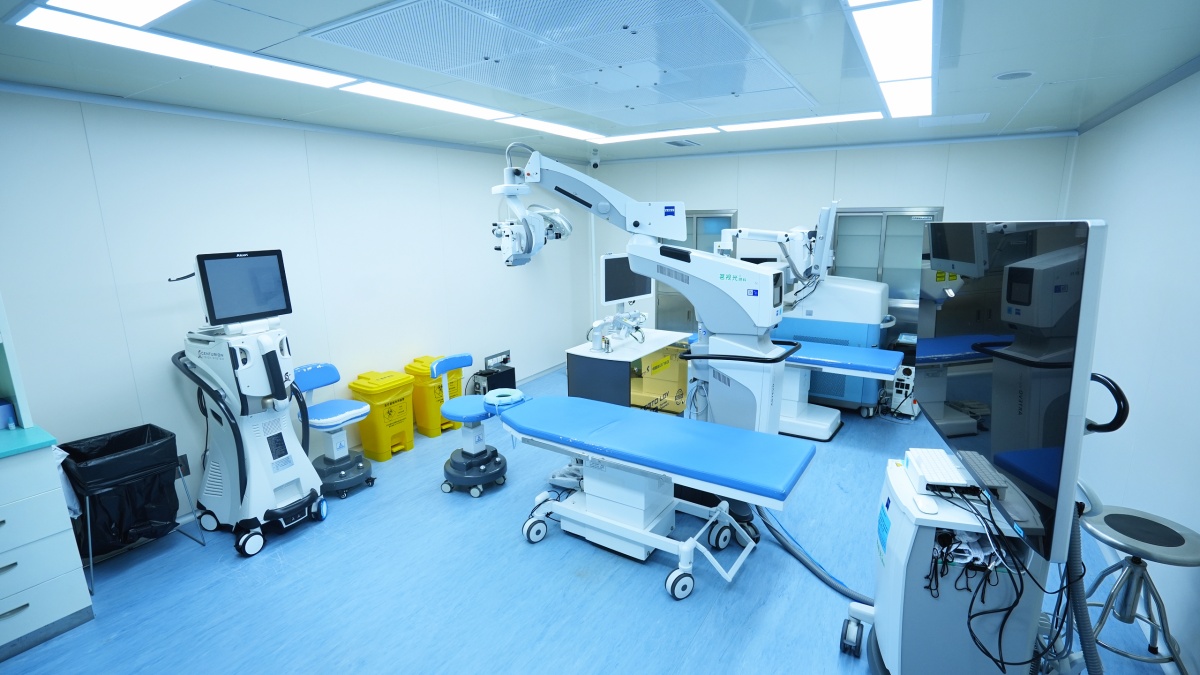
Ming Vision & Ophthalmology crystal center is equipped with an advanced centurion phacoemulsifier, which can automatically adjust the energy output and suction flow according to the intraoperative crystal nucleus hardness, reduce the damage of ultrasonic energy to intraocular tissues, shorten the recovery time of surgery, and help patients obtain better postoperative visual quality.
2、 Advantages of phacoemulsification for cataract
1. small surgical incision: traditional cataract surgery requires a large incision of more than 10 mm, while phacoemulsification surgery only requires a small incision of 2-3 mm, or even 1.8 mm. The operation has less damage to eye tissue, the incision does not need to be sutured, and the visual acuity of patients recovers faster. Most patients can obtain clear vision the next day after surgery.
2. short operation time: the whole operation process usually takes only 10-15 minutes. Generally, the operation can be completed by surface anesthesia, without periocular injection anesthesia. The pain of patients during operation is small, and the discomfort is significantly reduced.
3. high surgical safety: the operation is operated under a high-definition 3D navigation operating microscope, which has little damage to the internal tissues of the eye, and can completely preserve the posterior capsule of the lens, greatly reducing the probability of serious complications such as vitreous detachment and retinal detachment; At the same time, because of the small incision, the risk of postoperative infection and incision dehiscence is also much lower than that of traditional surgery.
4. wide range of indications: the operation can be applied to cataract of different degrees and stages of development. As long as the cataract affects the normal life vision, the operation can be carried out without waiting for the cataract to be fully mature, which is in line with the clinical treatment principle of early intervention, and reduces the possibility of complications such as glaucoma caused by over mature cataract, hardening of over mature crystals, and more damage to corneal endothelium caused by high-energy phacoemulsification.
 Back To List
 Online Booking

 Tel
 WeChat

 Address

 Consult