 Myopia surgery
 Myopia prevention and control
 Presbyopia
 Cataract
 Dry eye
 400-8600-525
 CN
 One City, Three Campuses

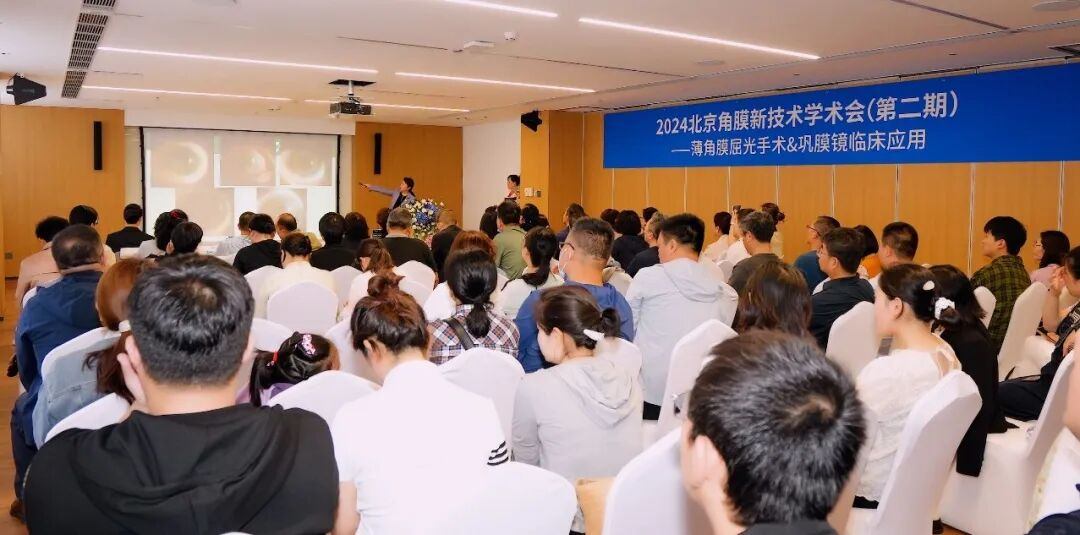
On May 26, the 2024 Beijing Cornea New Technology Academic Conference (Session 2) — Thin Cornea Refractive Surgery & Clinical Application of Scleral Lenses was successfully held.
Professor Chen Youxin from the Department of Ophthalmology of Peking Union Medical College Hospital, President of the Ophthalmology Branch of Beijing Medical Doctor Association, and Professor Sun Xuguang from the Department of Ophthalmology of Beijing Tongren Hospital served as Honorary Chairmen of the conference organizing committee, while Professor Li Ying from the Department of Ophthalmology of Peking Union Medical College Hospital and Professor Zhou Yuehua, Chief President of Beijing Ming Vision & Ophthalmology, served as Chairmen. Professor Lu Hong from the Department of Ophthalmology of Beijing Chaoyang Hospital, Capital Medical University, along with many other experts and young scholars in the field, was invited to attend the conference. The meeting focused on thin cornea refractive surgery, keratoconus and the clinical application of scleral lenses.
At the beginning of the conference, Professor Chen Youxin stated in his opening remarks that in recent years scleral lenses have played an important role in corneal diseases and ocular surface diseases and have made remarkable progress; there have also been highlights in the choice of thin cornea refractive surgery and lens implantation. He believed that all the delegates would benefit from the conference.
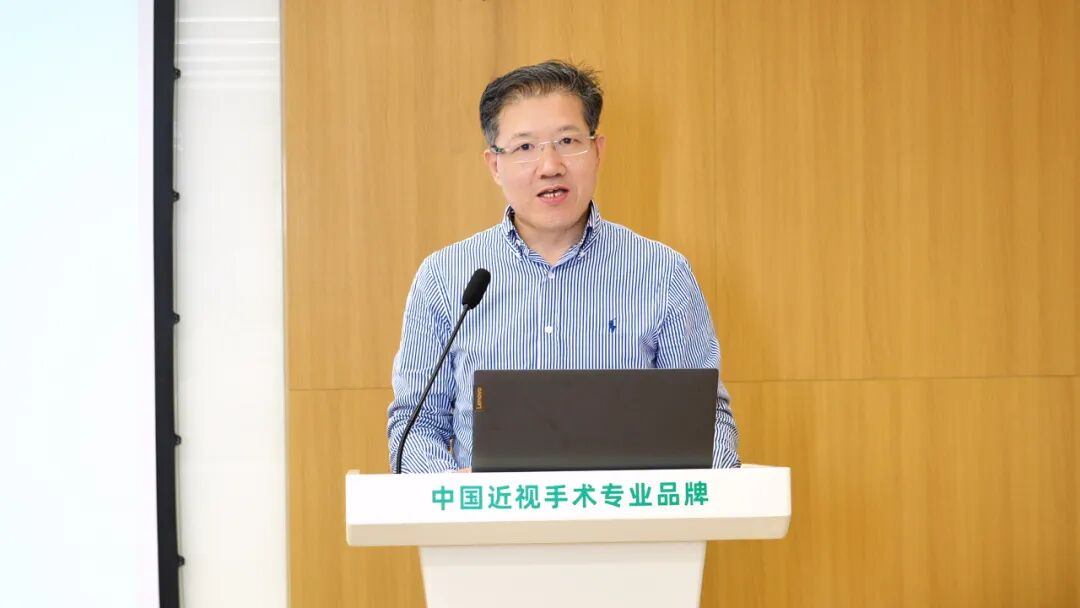
Professor Chen Youxin delivers the opening remarks

Professor Sun Xuguang contributed extensive preparatory planning work for this conference
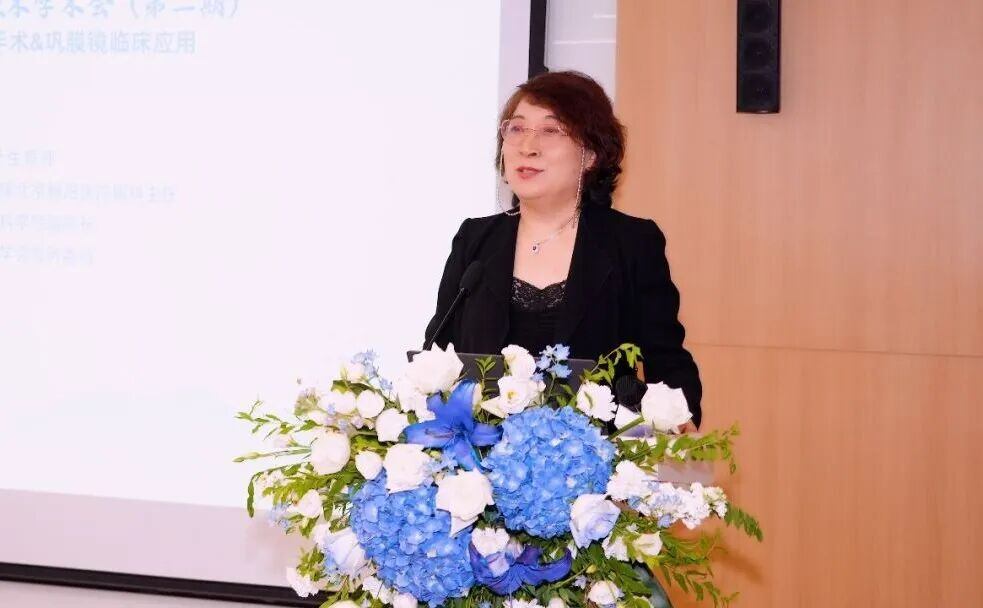
Professor Lu Hong chairs the conference
At the conference, experts and young scholars from Peking Union Medical College Hospital, Beijing Hospital, Peking University First Hospital, Peking University People's Hospital, Peking University Third Hospital and Beijing Chaoyang Hospital conducted in-depth and brilliant discussions on preoperative communication and treatment plan choice for patients undergoing thin cornea surgery, indications for scleral lens fitting, and treatment options for keratoconus. Nearly one hundred doctors from North China attended the conference.

Professor Li Ying delivers a keynote presentation
Professor Li Ying of Peking Union Medical College Hospital addressed the poor visual acuity of keratoconus patients characterized by thin and irregular corneas, and analyzed the achievements and treatment protocols of the newly applied scleral lens technology in China for improving vision and protecting ocular surface tissues. Scleral lenses have a larger diameter than ordinary contact lenses, completely vault over the cornea, and land on the conjunctival tissue overlying the sclera (the white of the eye). A fluid layer of appropriate thickness is formed between the lens and the cornea, which creates a regular optical imaging interface and improves visual acuity and visual quality for patients with irregular corneal astigmatism and poor vision caused by various factors.
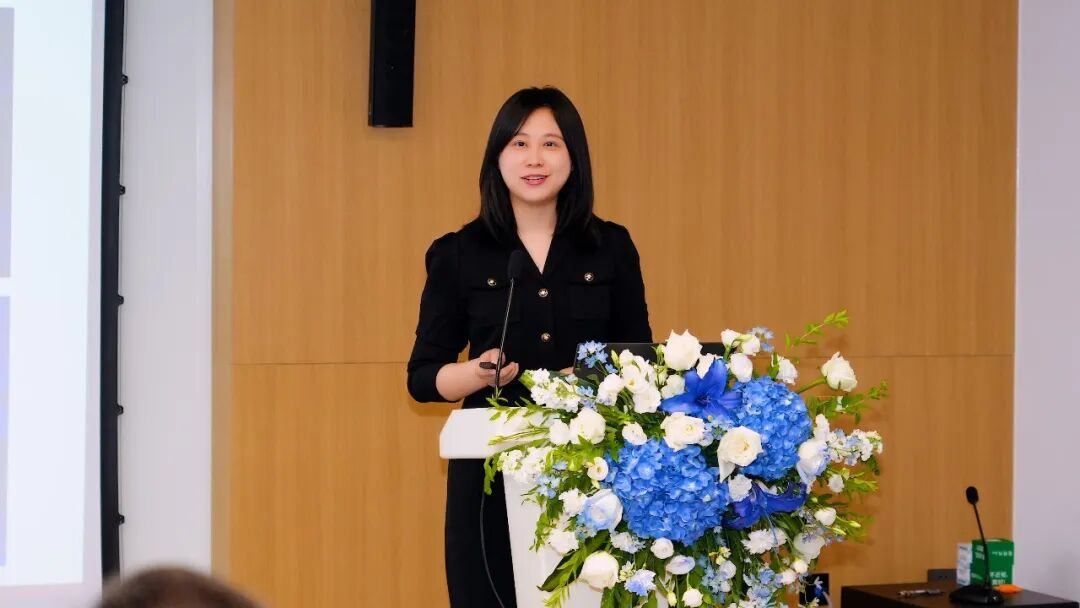
Young scholar Peng Zisu delivers a keynote presentation
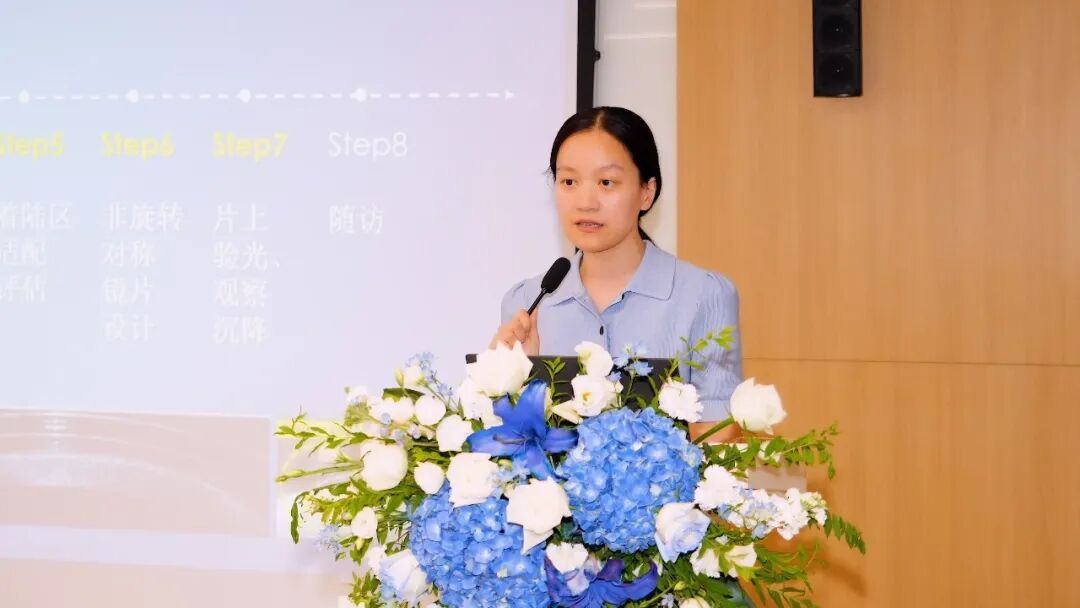
Professor Chen Di delivers a keynote presentation
Peng Zisu, a young scholar from the Department of Ophthalmology of Peking University People's Hospital, and Chen Di, Associate Chief Physician of the Department of Ophthalmology of Peking Union Medical College Hospital, shared scleral lens cases and specific fitting experience based on their respective clinical practice, which was well received by the attendees.
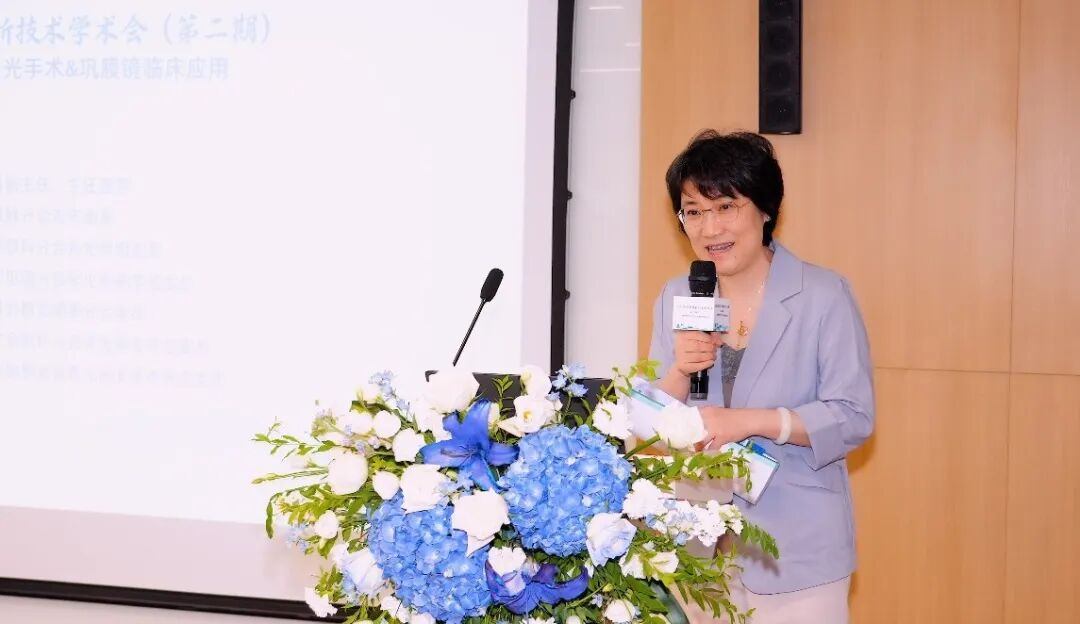
Director Wang Zheng delivers a speech

Director Rong Bei delivers a speech
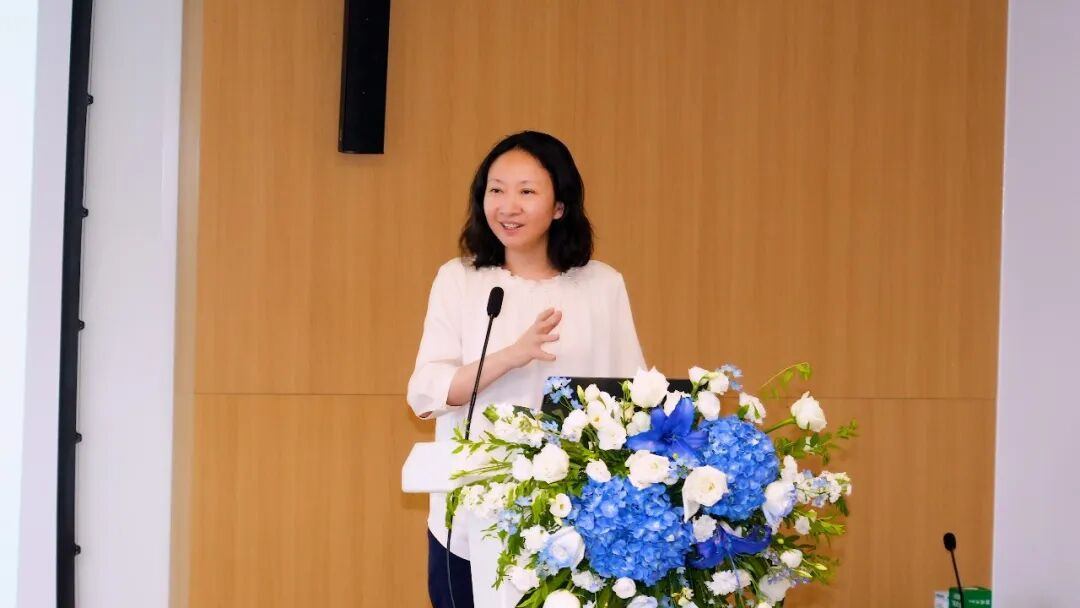
Director Zhang Yu delivers a speech

Young scholar Ge Cheng delivers a speech
During the on-site discussion session, Director Wang Zheng from Beijing Hospital of the Ministry of Health, Director Rong Bei from Peking University First Hospital, Director Zhang Yu from Peking University Third Hospital, and Ge Cheng from Beijing Chaoyang Hospital, Capital Medical University, drawing on their respective professional fields and based on different perspectives and dimensions, conducted in-depth reflections and exchanges on the development prospects of scleral lens technology and the choice of surgical procedures for thin corneas.
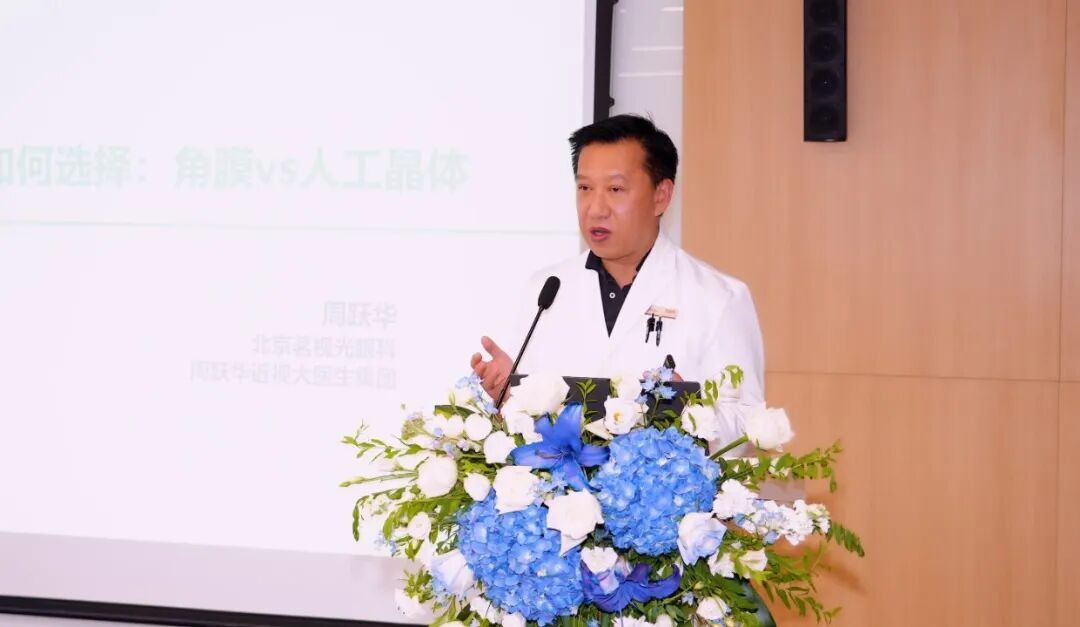
Professor Zhou Yuehua delivers a keynote presentation
A normal cornea is an aspheric structure that is thin in the center and thick in the periphery. The average central corneal thickness in Asians is about 530 microns, and a cornea thinner than 500 microns can be considered a thin cornea. For thin cornea patients for whom refractive surgery presents certain difficulties, Professor Zhou Yuehua proposed that the choice of refractive procedure should be based on the patient's ocular conditions, personal wishes, and occupational and lifestyle needs. Options such as thin-flap femtosecond LASIK, SMILE with a thin corneal cap, corneal laser surgery combined with corneal cross-linking reinforcement, and phakic intraocular lens implantation may be appropriately chosen to help patients achieve their goal of giving up glasses.
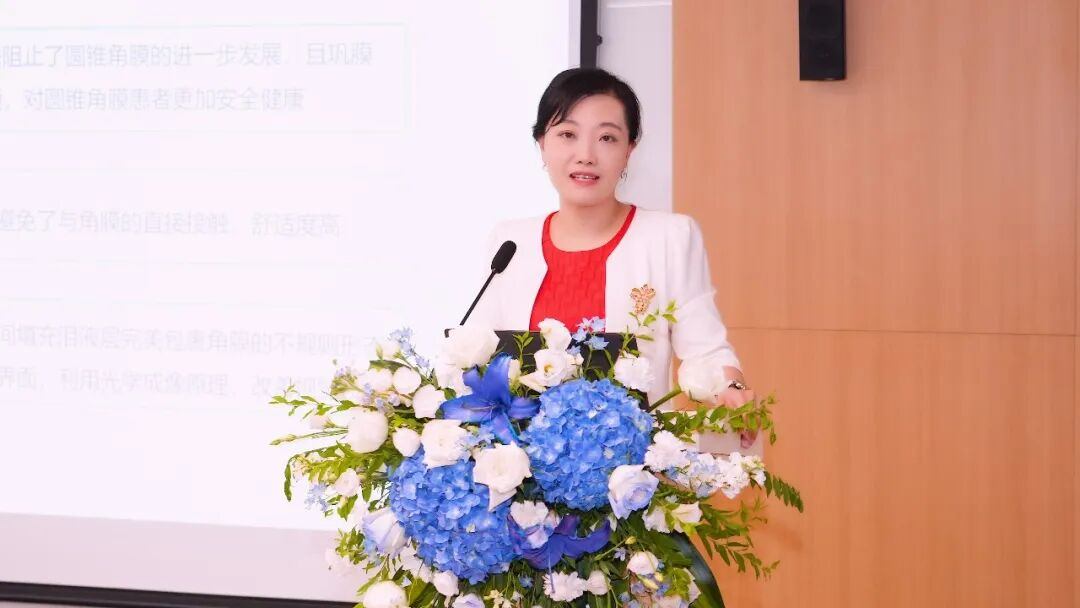
Young scholar Zhang Jing delivers a keynote presentation
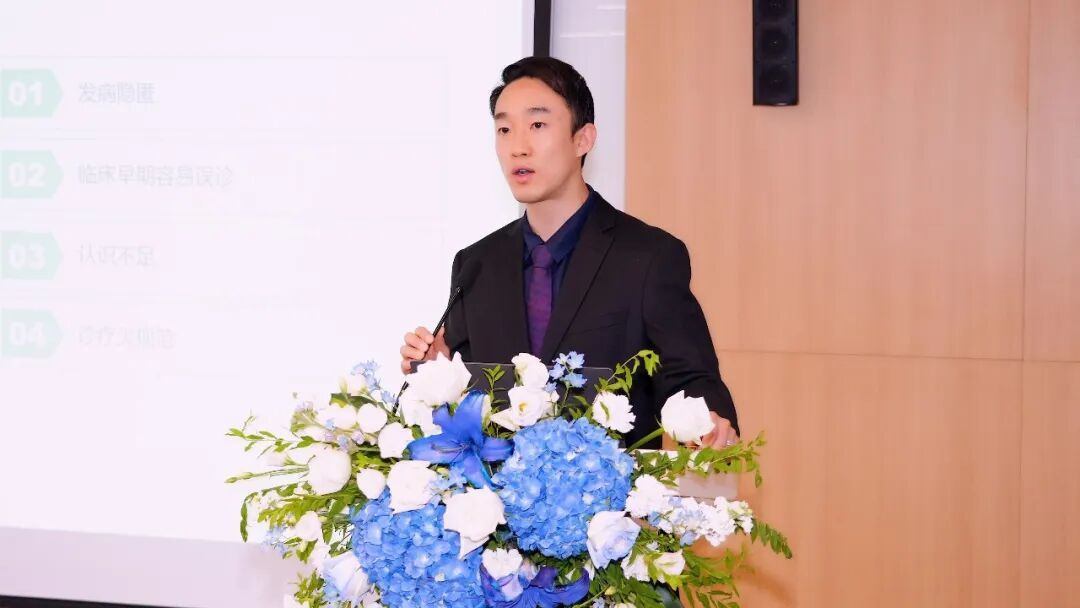
Young scholar Tao Ye delivers a keynote presentation
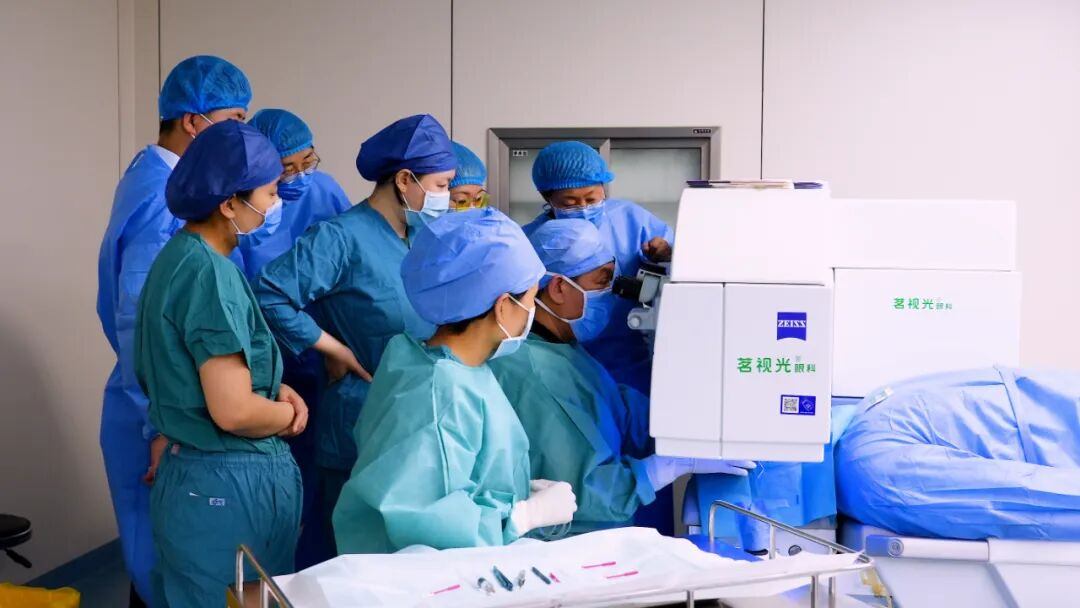
Some attendees observed the surgery performed by Professor Zhou Yuehua
As a supporting organization, Beijing Ming Vision & Ophthalmology has always maintained close attention to the frontiers of industry technology, research and innovation, and extensive exchanges, and will continue to support discussion and exchange in the ophthalmic industry in the future.
 Online Booking

 Tel
 WeChat

 Address

 Consult